Wine review — Moppity Vineyards, Oakridge, The Winesmiths, Yalumba and Hahndord Hill

Moppity Vineyards Lock and Key Chardonnay 2012 $17
Coppabella Vineyard, Tumbarumba, NSW
At the 2013 regional show, Lock and Key topped a line up of 24 chardonnays, ultimately winning the trophy as best chardonnay of the show. Wines from Tumbarumba dominated the class, winning all five gold medals. Moppity entered four chardonnays and won four medals – two gold, one silver and one bronze. That humble Lock and Key, the cheapest of the four, topped the class underlines the inherent quality of Tumbarumba chardonnay – and the wine’s greater drink-now appeal when compared to its more austere, slow-evolving cellar mates. Moppity’s Jason Brown says it’s a blend from several blocks on his 70-hectare Coppabella vineyard. He selected fruity components for the blend and fermented 70 per cent of it in stainless steel tanks to preserve freshness. A barrel fermented component added texture and complexity. Nevertheless, it’s a lean, taut, delicious style, reminiscent of ripe, fresh nectarine, liberally doused with grapefruit juice – a thrilling combination.

Moppity Vineyards Chardonnay 2012 $25
Coppabella Vineyard, Tumbarumba, NSW
Judges at the regional show awarded gold medal scores (55.5 and 57 respectively out of 60) to this and its cellar mate, Lock and Key. Both come from Jason and Alicia Brown’s Coppabella vineyards, but offer different expressions of the variety. This one uses fruit selected for its power and intensity – characteristics emphasised by fermentation and maturation of 70 per cent of the blend in oak barrels. Tasting the two side by side, the judges’ preference for the drink-now style of the cheaper wine seems understandable. But the Moppity, I suspect, will blossom after another year or two in bottle.

Oakridge Local Vineyard Series Guerin Vineyard Pinot Noir 2012 $38
Guerin vineyard, Gladysdale, Yarra Valley, Victoria
Winemaker David Bicknell offers two 2012 pinot noirs from the Guerin vineyard. The flagship 864 Block 4 sells for $75. But for half that price this cheaper wine delivers 90 per cent of the quality. That’s the law of diminishing returns for you. Bicknell’s pinots rate among the best in Australia. And he makes quite a pile of them – each fine-tuned to express fruit from various Yarra Valley sites. Of the current single-vineyard releases, Guerin appeals strongly. It brings the pure ripe-berry flavours of pinot, deeply meshed with mouth-watering savouriness, a twist of stalkiness and the great weight and textural richness of really good pinot. A firm tannin backbone completes the picture.

The Winesmiths Tempranillo 2012 $18.99 2-litre wine cask
South Australia

In July, Samuel Smith and Son, an arm of Robert Hill Smith’s Yalumba group, launched this new upmarket range of wine casks – pinot grigio, chardonnay, tempranillo and shiraz. The cask, made from a claimed 75 per cent recyclable goods and 13 per cent the carbon footprint of wine bottle, has a decidedly wholesome, wholemeal appearance. It looks like recycled cardboard. But the wine inside certainly doesn’t taste like it’s been drunk before. This is rich, fresh, fruity tempranillo with a healthy load of mouth-puckering tannin.

Yalumba The Strapper Grenache Shiraz Mataro 2012 $17–$22
Barossa, South Australia
After the leaner, lighter 2011 vintage reviewed in July, The Strapper 2012 returns to its opulent Barossa best. The floral, sweet, enticing aroma of grenache leads to a full, round, juicy palate with the body of shiraz and spicy, tannic character of mataro. It’s a blend of 40 per cent grenache, 35 per cent shiraz and 25 per cent mataro, matured for nine months in a variety of Hungarian and French oak vessels, new and old. The oak built the texture of the wine with inserting oaky flavours.

Hahndorf Hill Winery Gruner Veltliner 2013 $28
Hahndorf Hill vineyard, Adelaide Hills, South Australia
Hahndorf Hill owners Larry Jacobs and Marc Dobson identified a fit between Austria’s late-ripening gruner veltliner and their elevated, continental-climate vineyard site in the Adelaide Hills. Jacobs says the 2013 season provided ideal, slow, ripening conditions. He picked fruit at various ripeness levels, allowed a portion of juice contact with skins (encouraging uptake of tannin), then fermented the juice in various parcels – some in stainless steel with cultured yeast, some in old oak barriques using ambient yeasts. The combination captures the freshness of the fruit but builds in a rich texture, from the barrel-fermented component, and a little tannic tweak to the finish, courtesy of the skin contact. It’s a unique, full-bodied, bright, spicy, savoury dry white of great appeal.

Copright © Chris Shanahan 2013
First published 13 November 2013 in the Canberra Times and goodfood.com.au
Beer review — Balmain Brewing Company and Stone and Wood

Balmain Brewing Company Original Pale Ale 330ml $4.00
Formerly working class Balmain completes its gentrification with the addition of a very good craft brewery. The golden amber ale strokes the palate with silk-smooth texture, sweet, opulent malt and teasing, finely balanced hops flavour and bitterness. What a beautifully balanced ale it is. Tasted twice now and becoming a favourite.

Stone and Wood Mash Collective The Old Persuader 500ml $10
The third Mash Collective beer hits the palate at a big, sweet 6.6 per cent alcohol. It’s fruity for a lager, malty, subtly bitter and hoppy. The design collective comprised graphic designers Sonny Day and Biddy Moroney, photographer, Ingvar Kenne, architect Stuart Vokes and author, John Birmingham. (Stockists at themashcollective.com.au).

Copyright © Chris Shanahan 2013
First published 13 November 2013 in the Canberra Times

Coca-Cola Amatil prepares for 2014 beer and cider launch

When Coca Cola Amatil sold its stake in Pacific Beverages to SAB Miller, it agreed to remain out of the Australia beer and cider markets for a couple of years. But CCA always intended to re-enter the market and is now on the brink of doing so on a considerable scale.

Initially, CCA acquired Foster’s Group Pacific Limited (renamed Paradise Beverages (Fiji) Limited, owner of a Fiji brewery; entered into a joint venture with the Casella family to brew beer in Griffith, NSW; and then agreed to distribute Rekorderlig cider in Australia from 1 January 2014.

Then in early November Managing Director Terry Davis added several more products to the list – Molson Coors and Samuel Adams beers from the USA, and its own Alehouse draught beer and Pressman’s Australian cider.

When Coca Cola Amatil sold its stake in Pacific Beverages to SAB Miller, it agreed to remain out of the Australia beer and cider markets for a couple of years. But CCA always intended to re-enter the market and is now on the brink of doing so on a considerable scale.

Initially, CCA acquired Foster’s Group Pacific Limited (renamed Paradise Beverages (Fiji) Limited, owner of a Fiji brewery; entered into a joint venture with the Casella family to brew beer in Griffith, NSW; and then agreed to distribute Rekorderlig cider in Australia from 1 January 2014.

Then in early November Managing Director Terry Davis added several more products to the list – Molson Coors and Samuel Adams beers from the USA, and its own Alehouse draught beer and Pressman’s Australian cider.

The January 2014 launch should have a considerable impact on the Australian beer and cider markets.

Copyright © Chris Shanahan 2013

First published 13 November 2013 in the Canberra Times.


Wine review — Jacob’s Creek, Cherubino Ad Hoc and Wyndham Estate

Jacob’s Creek Riesling 2012 $6.90–$12
In 2012 this wine won silver medals in the Melbourne and Hobart wine shows, then golds in Adelaide and Canberra National Wine Show. In October this year, it won the trophy as best riesling at the Royal Melbourne Wine Show. Winemaker Bernard Hickin says the fruit comes from the Barossa, Eden and Clare Valleys and Langhorne Creek. The combination gives the wine well-defined lime and lemon varietal flavours and a delicious fruit sweetness – though the wine remains crisp and dry with only about three grams a litre of residual sugar (below our taste threshold). This is an extraordinarily good wine at the price.

Cherubino Ad Hoc Middle of Everywhere
Frankland River Shiraz 2012 $19–$21

Larry Cherubino sourced fruit for this wine from various sites in Western Australia’s Frankland River region – a distinct part of the much larger Great Southern wine zone. Vines endure some of the heat pushing down from the continent, but also benefit from cool afternoon and evening air flowing up from the cold oceans to the south. The unique conditions produce generously flavoured, medium bodied red wines. In Ad Hoc we enjoy ripe, jui, blueberry-like flavours, cut with an attractive savouriness, on a soft, smooth seductive palate.

Wyndham Estate Bin 555 Langhorne Creek Shiraz 2012 $10.45–$15
Like Jacob’s Creek reviewed above, Wyndham Estate is a brand of France’s Pernod-Ricard. The company’s vast vineyard at Langhorne, established principally for the global Jacob’s Creek brand, provides the fruit for this delicious shiraz. Winemaker Steve Meyer, says he blended Bin 555 Shiraz 2012 using fruit from six different blocks on the vineyard. It shows the ripe, even, generous flavours of the vintage and the full, rich character of Langhorne Creek shiraz. This is one of Australia’s outstanding wine regions and the consumer’s friend when it makes reds of this quality at such a modest price.

Copyright © Chris Shanahan 2013
First published 10 November 2013 in the Canberra Times

Wine review – Tim Smith, Clonakilla, Mad Fish, Coldstream Hills, Wilson and Taittinger

Tim Smith Wines Shiraz 2012 $36
Barossa Valley, South Australia
Wine judges and critics appear to have moved well ahead of wider public tasted in their support of leaner, elegant cool-climate shirazes. Time and again at tastings I see people opting for the riper, fleshier styles from warm areas – particularly the Barossa and McLaren Vale. Tim Smith’s is a succulent example of the latter style. It’s irresistibly, ripe and fleshy – so easy to drink now, yet with years of cellaring ahead. Tim Smith writes, “I source my shiraz grapes from about six vineyards… Vine age is +100 years for the oldest parcel, with the youngest parcel being about 20 years of age”.

Clonakilla Hilltops Shiraz 2012 $28–$32
Hilltops, NSW
Heavy rain towards the end of February 2012 destroyed large volumes of ripe, or near ripe grapes in Canberra and surrounding districts. Clonakilla lost much of its Canberra fruit in the event. But, says Tim Kirk, they harvested most of their fruit from the Hilltops region (around Young, NSW), the day before the 200mm deluge arrived. The result is a delightfully rich red combining ripe, dark-cherry flavours with the spice and touch of black pepper we see from cooler areas. The wine’s medium bodied and shows the Clonakilla signature of great harmony and silky, juicy mid palate. Judges awarded it a bronze medal regional show, but I rate it more highly.

Mad Fish Gold Turtle Chardonnay 2012 $14.25–$15
Margaret River, Western Australia
A mad fish and a gold turtle seem unlikely companions in a wine name. But the wine, from Jeff and Amy Burch’s Howard Park Winery, Margaret River, offers extraordinarily good drinking at a bargain price. Sourced from the Wilyabrup and Karridale sub-regions, Gold Turtle Chardonnay offers bright, fresh nectarine-like varietal flavour with lively acidity and a rich texture derived from a natural fermentation in barrel and extended maturation on yeast lees. The screw cap on wines of this calibre enables reliable cellaring for perhaps five years from vintage.

Coldstream Hills Rising Vineyard Chardonnay 2012 $42–$45
Rising vineyard, Yarra Valley, Victoria
Coldstream Hills, now part of Treasury Wine Estates, produces several Yarra Valley chardonnays – a general blend, a “reserve” version and, in 2012, two single-vineyard wines, “Deer Farm Vineyard” and “Rising Vineyard”. The latter demonstrates the symbiotic relationship between top-notch chardonnay and oak. Winemaker Andrew Fleming fermented then matured the wine win in French oak – 60 per cent of it new. That’s a high proportion and works only if the fruit is up to it and the oak exactly right. It’s a beautiful wine, seamlessly integrating intense, vibrant nectarine-like varietal flavours with spicy oak and all the subtle textural and flavour nuances derived from contact with the barrels and yeast lees.

Wilson Watervale Riesling 2013 $19
Wilson vineyard, Watervale, Clare Valley, South Australia
John Wilson made wines originally from the Clare Valley’s Polish Hill River sub-region. He later sourced fruit, as well, from Watervale, towards the valley’s southern end. Wilson’s son Daniel now makes several Clare rieslings, including this full-flavoured, finely textured version. The mid-lemon colour and full, upfront flavour make attractive current drinking, though the wine should evolve well for three or four years.

Champagne Taittinger Brut Reserve NV $50–$60
Champagne, France
With a little more chardonnay in the blend than most NV’s (40 per cent versus about 33 – the remainder pinot noir and pinot meunier), good old Taitts giggles on the light and cheery side of Champagne, with seemingly little lees-aged character. Nevertheless, it’s a lovely, delicate aperitif style with the lightness of chardonnay and yummy brioche-like nuances of pinot meunier, the lesser of the two pinots, but indispensable nevertheless. Pinot meunier tends to fill the frost-prone dips in the Champagne region and is more fruitful than pinot noir in this situation as it buds later, giving it better odds of missing the chill. As wine, it matures earlier than pinot noir, thus fleshing out the mid palate of younger Champagnes.

Copyright Chris Shanahan 2013
First published  November 2013 in the Canberra Times and goodfood.com.au


Return of the tinny – in cans we trust

Lion chief brewer, Bill Taylor, sees a trend among American craft brewers away from bottles and back to cans. Indeed, SanTan Brewing, Arizona, this year hosted the third AmeriCAN craft beer festival – under the slogan, “In cans we trust”.

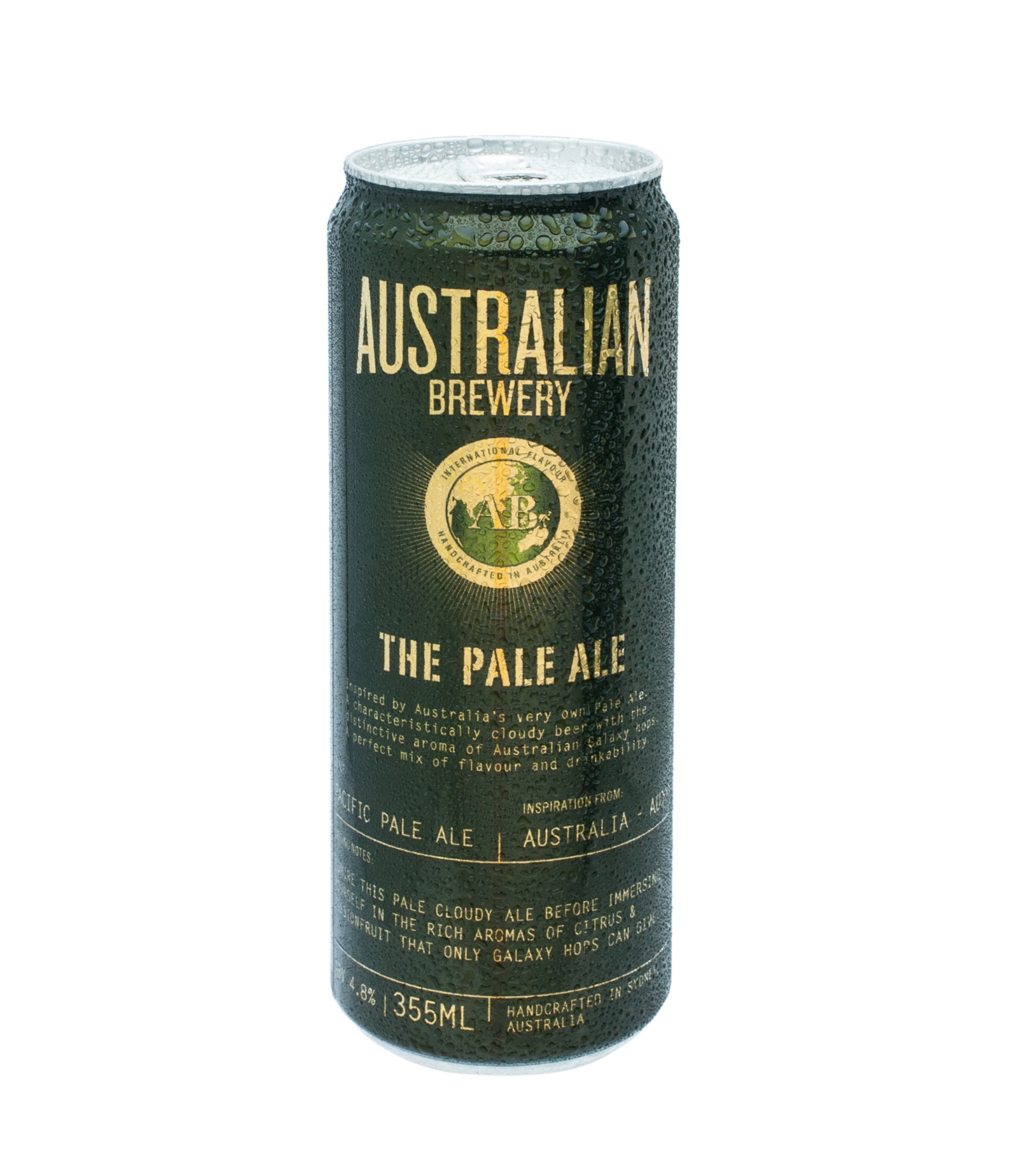
Taking up the cause locally, Australian Brewery’s Neal Cameron, now packages beer in elegant, slimline, 355ml cans for sale in Australia and export to the USA, Japan and, from 2014, India.

Cameron enthuses about the lower cost, lower weight and ease of packaging cans compared to glass. He also claims cans deliver better quality as they’re impervious to light and provide a better barrier against oxygen.

While exposure to light can damage beer, modern packaging technology should ensure little, if any, difference in oxygen levels between canned and bottled beer. Cans, though, should present a cheaper and easier packaging option for small brewers and another choice for drinkers.

The Australian Brewery Pale Ale 355ml can 4-pack $16
Australian Brewery’s naturally conditioned cloudy ale comes in a slim can that feels deceptively smaller than 355ml. As you pour, the abundant, dense white head says, “I’m very fresh” – an impression confirmed by the fruity–pungent hops aroma and lively, palate, also cut through with passionfruit-like hops flavours.

Copyright Chris Shanahan 2013
First published 6 November 2013 in the Canberra Times and goodfood.com.au

Wine review — Redbank, Turkey Flat and Brookland Valley

Redbank The Long Paddock Victoria Shiraz 2012 $9.50–$13
Redbank won’t reveal exactly which parts of Victoria this attractive blend comes from. But even at the price, there’s no doubting it includes very good material from high-quality producing regions. Its fragrant, ripe and supple, with medium body and spicy, peppery notes derived from cool climate components of the wine. The winemakers added sangiovese to the blend (six per cent of the total) – injecting savour and grip to the otherwise soft tannins. The wine is made for current drinking, not cellaring. Redbank is a Victorian based brand belonging to the Hill-Smith family’s Yalumba group.

Turkey Flat Butchers Block Barossa Valley White 2012 $19.5–$22
This white style seems well suited to the warm, dry Barossa Valley. Made from three Rhone Valley varieties, marsanne, roussanne and viognier, Butcher’s Block offers texture and savouriness rather than the aromatics and fruitiness cooler regions do better. Christie Schulz polished the style over the years, treating each of the components separately, including skin contact for the viognier, early picking for the marsanne and later picking and whole bunch pressing for the roussanne – with 50 per cent of the blend matured in oak. It’s a full-bodied, richly textured dry white with subtle, underlying nectarine and apricot-like flavours.

Brookland Valley Unison Margaret River Cabernet Sauvignon 2011 $17–$20
I tasted Brookland Valley alongside Chateau Semeillan Mazeau, a cabernet blend from Bordeaux, selling at double the price. The difference seems partly a question of style and not just one of quality. The French red offered good fruit, tightly bound up in tannin – thus putting texture and structure on an equal footing with that fruit. Brookland Valley, on the other hand puts varietal fruit to the fore – both in the sweet aroma and juicy vibrance of the palate. Tannin supports the fruit but without adding depth or length. It offers simple, fruity drink-now pleasure at a fair price

Copyright Chris Shanahan 2013
First published 3 November 2013 in the Canberra Times

Beer review — Swell Brewing Co

Swell Brewing Co Wheat Beer 500ml $6.99
Swell Brewing, founded by stepbrothers Dan and Daniel Wright, and Dan’s wife, Corinna, brew their beer down in McLaren Vale’s wine country. Corinna, of Oliver’s Taranga vineyard, makes wine, the brothers make the beer – in this instance a fruity, crisp, slightly sweet expression of the Belgian wheat style.

Swell Brewing Co Pale Ale 500ml $6.99
Brewer Daniel Wright models his pale ale on the American style – big on malt, with assertively bitter hops. It contrasts to his other overtly hoppy beer, Swell Golden Ale with its focus on floral aromatics and flavour rather than bitterness. Pale Ale starts malty, rich and smooth, then the hops bitterness takes over.

Copyright © Chris Shanahan 2013
First published 30 October 2013 in the Canberra Times and goodfood.com.au

Wowsers rejoiced as cabinet rejects early Canberra brewery

On 9 October, historian Dr Brett Stubs published Capital Brews, a brief history of brewing in Canberra. Stubbs piece marks the national capital’s centenary.

Surprising in a city not noted for moderation, let along abstinence, plans for Canberra’s first brewery ran aground in 1933. The territory’s liquor laws failed to allow for the granting of brewers’ licences.

An application was made to establish a brewery at Braddon”, writes Stubbs. But approval of the venture would require an amendment to the law. The cabinet declined to do so. Subsequently the Methodist minister in nearby Reid sermonised relief at the decision, “not to allow the national capital to be disgraced by the erection within its bounds of a brewery”.

Ironically, Canberra’s first brewery, the Parson’s Pint, opened in 1989 at Glebe Park, just a stone’s throw from Reid.

Read Capital Brews by Brett Stubbs.

Copyright © Chris Shanahan 2013
Firsts published 30 October 2013 in the Canberra Times and goodfood.com.au

Wine review – Ravensworth, Forbes and Forbes, Majella, Printhie, West Cape Howe and Wynns Coonawarra Estate

Ravensworth Riesling 2013 $20
Murrumbateman, Canberra District, NSW
Bryan and Jocelyn Martin’s 2013 riesling swept all competitors aside at the recent Canberra and region show. It won the top gold medal in the 2013 riesling class, then cleaned up in the taste offs, winning trophies as the show’s best riesling, best white wine and best wine. A few weeks later it won another gold medal plus a trophy as best Canberra riesling at the Canberra International Riesling Challenge. Ravensworth shows the tight structure and acidic backbone of Canberra riesling, with pure, intense, fresh citrus varietal flavour and sufficient mid-palate flesh to offset the gripping acidity. Should drink well for the next decade.

Forbes and Forbes Riesling 2012 $20
Woodman vineyard, Springton, Eden Valley, South Australia
A year older and a shade darker in colour, Forbes and Forbes 2012 offers an interesting style contrast to Ravensworth 2013. They’re both gold medallists from their respective regional shows and national events. They’re of a similar alcohol content. Both contain three grams per litre of residual sugar – undetectable by the average palate. And both deliver pure fruit flavour, albeit on different parts of the varietal spectrum. Where Ravensworth offers Canberra’s solid acid backbone and the unevolved flavour of a new wine, Forbes and Forbes sits more delicately on the palate, delivering a pristine, lime-like flavour, carried by soft, fresh acidity.

Majella The Musician Cabernet Sauvignon Shiraz $18–$20
Majella vineyard, Coonawarra South Australia
The Musician is the Lynn family’s song of fruit ¬– a floral, juicy expression of the cabernet sauvignon and shiraz grapes grown on their eastern Coonawarra vineyard. The wine delivers Coonawarra’s deep, ripe, berry flavours, medium body and elegant structure, without the overlay of oak or other winemaker inputs seen in wines made for cellaring. It’s made to drink right now – move onto the next vintage as soon as it’s released next year.

Printhie MCC Shiraz 2012 $36
Printhie Phalaris block, Orange, NSW
Printhie shiraz comes from the company’s Phalaris block towards the lowest, warmest point of the Orange district. Even so, MCC 2012 sits at the cooler end of cool-climate shiraz styles. It’s highly aromatic – combining bright, strawberry-like character, overlaid with the spice and white pepper indicative of very cool growing conditions. The latter often points to green, unripe flavours in shiraz. But Printhie just makes it over the line – the white pepper, acidity and fine, firm tannins balancing delicately with the vibrant fruit flavour.

West Cape Howe Tempranillo 2012 $13–$20
Frankland and Perth Hills, Western Australia
Gavin Berry’s tempranillo presents the fruity side of Spain’s great red variety. It’s adapting well across a diversity of Australian climates – in this instance Frankland and the Perth Hills, Western Australia. The colour’s limpid and crimson-rimmed and the aroma is all about fresh, dark berries. Fresh berry flavours fill the palate, too, ahead of a pleasing earthy note and then the fine, firm tannins of the variety.

Wynns Coonawarra Estate Michael Shiraz 2010 $100–$145
Eastern Coonawarra, South Australia
The Riddoch Highway dissects Coonawarra from north to south. The sea of vines on the flat land either side of the highway gives a deceptive impression of homogeneity – of a landscape where all sites are created equal. In fact, various plots across Coonawarra produce a wide diversity of wines, albeit in the elegant regional style. Shiraz, for examples, struggles to ripen in the south and fares best, in Wynns’ long experience, in the sandy soils towards the eastern edge of northern Coonawarra. This is the source of the sublime Michael Shiraz 2010, a powerful but fine-boned, gentle and elegant shiraz with long-term cellaring potential. Expect wide variation in pricing.

Copyright © Chris Shanahan 2013
First published 30 October 2013 in the Canberra Times and goodfood.com.au