Tscharke Barossa Valley The Master Montepulciano 2011 $24
Barossa winemaker Damien Tscharke claims to be the first in Australia to establish the Italian red variety, montepulciano. Best known in Italy’s Abruzzo region, montepulciano makes large volumes of wine. At its best, it’s robust and fruity with rustic tannins that work well with food. Tscharke’s medium-bodied Barossa version offers vibrant fruit flavours, reminiscent, vaguely, of blueberries with a bit of pepper and spice thrown in – all wrapped in the variety’s rustic, satisfying tannins. Tscharke’s success with the wine in such a lousy vintage, suggests even better drinking in future seasons.
Fareham Estate Clare Valley Riesling 2013 $8.99
The back label carries geologist–wine merchant David Farmer’s enlightening description of the Clare Valley, “… an area of 14 kilometres east–west by 33 kilometres north–south and straddles a north trending series of ridges and valleys of striking beauty. Five ridgelines rising to 500 metres separate the four wine valleys. The main road between the southern Clare town of Auburn and the northern town of Clare travels along the most important wine valley. Just north of Auburn is the pretty town of Watervale settled in 1851”. Farmer sourced this delicate, lime-like, dry riesling from Watervale and offers it on glug.com.au.
Hereford Heathcote Shiraz 2012 $14.25–$15
The Hereford brand – along with Grunter’s Original Wipeout, Erin Cream and Tisdall wine – belongs to the French-owned Ballande Groupe. They make Hereford shiraz exclusively for the Woolworths-owned Dan Murphy chain. The wine, sourced from Heathcote Victoria and made by David Crawford, offers a safe and easy-drinking, affordable expression of the region’s rich, savoury flavours. The soft tannins and up-front fruit make it a drink-now wine, so need to cellar. And move on to the next vintage when this one runs out.
Copyright Chris Shanahan 2013
First published 22 September 2013 in the Canberra Times
Four Winds Vineyard Riesling 2013 $22
Murrumbateman, Canberra District, NSW
Rieslings from Four Winds vineyard have won wine-show awards, including gold medals, in the past – under the Four Winds label and for other winemakers sourcing fruit from the vineyard. But Sarah Collingwood says the thrill went up a notch when the 2013 vintage won the trophy as best riesling at this year’s NSW Small Winemakers Wine Show. The vineyard’s first trophy winner, made by Collingwood’s sister Jaime and brother-in-law Bill Crowe, is about as appealing as young riesling gets. Its pure floral and citrus aroma leads to a vibrant, delicate, deliciously fruity dry palate. Some Canberra rieslings need a year or more in bottle before the fruit outweighs the acidity. But Four Winds sits right in the drinking zone now, though I suspect it will age well for some years.
Curly Flat Chardonnay 2011 $42–$47 Curly Flat vineyard, Macedon Ranges, Victoria
In a year notable for skinny wines, Curly Flat 2011 stands out for its luxurious richness, power and elegance – a stately chardonnay from the maker of some of Australia’s finest. Curly Flat’s Phillip Moraghan writes, “Much has been written about the difficulties of vintage 2011, yet we see it as a triumphant year for our vineyard and team. Our vintage 2011 tee-shirts carry the motto ‘divided we stand’, acknowledging the role of our horizontally divided lyre trellis system in warding off the downy mildew demons”. Moraghan’s team not only defeated disease, but also coaxed the berries to a perfect ripeness that underpins this beautiful, barrel-fermented and –matured white.
Goat Square Grenache Shiraz Mataro 2010 $9.99–$16.99 Barossa Valley, South Australia
Barossa based David Farmer works much as traditional ‘negociants’ do in France. He buys grapes, juice and wine, then makes, blends, matures, bottles, labels and sells it. The majority comes from the Barossa, but he ventures the length of the adjoining Mount Lofty Ranges to the Clare and Eden Valleys and Adelaide Hills, and further south to McLaren Vale and Langhorne Creek. He looks for richness and ripeness of the kind displayed in this classic Barossa blend of grenache, shiraz and mataro – a rich, earthy and savoury red with just a little bite of alcoholic astringency in the finish. Farmer is the sole outlet (via glug.com.au), and sometimes offers it on special at $9.99 a bottle.
Terrazas de los Andes Malbec 2010 $27–$30 Mendoza, Argentina
Terrazas de los Andes is a brand of luxury goods group, Louis Vuitton Moet Hennessy, distributed locally by Moet Hennessy Australia. We discovered it at Taze Restaurant, Civic, where they offer it by the glass. It’s a big, dark, brooding wine and a thoroughly enjoyable example of Argentina’s great red specialty. There, the main determinant of style is vineyard altitude, in this instance about 1000 metres above sea level. The black colour, powerful, ripe fruit and mouth-coating tannins make it good company with red meats. It’s a distinctive style and very easy for fans of big Australian reds to adapt to.
Innocent Bystander Yarra Valley Chardonnay 2012 $21–$24
Yarra Valley, Victoria
Innocent Bystander delivers the goods every year as a tasty, satisfying example of modern Australian cool-climate chardonnay. Bright, fresh, varietal flavours resembling grapefruit and melon underpin the wine. But there’s lots more going on in the background – a result of a couple of different approaches to fermentation in seasoned French barrels (some with ambient yeast, some selected strains), followed by maturation and lees stirring in those barrels.
Wynns Coonawarra Estate Shiraz 2012 $15–$20
Wynns Coonawarra Estate, Coonawarra, South Australia
Winemaker Sue Hodder visited Canberra recently, promoting the new releases from Wynns Coonawarra Estate. The release includes some of Australia’s greatest reds as well as grey label shiraz, one of the best value reds on the market. Hodder lets the fruit hold centre stage, from the flashing crimson colour, to the pure fruity, spicy, slightly peppery varietal aromas and flavours to the soft, satisfying, medium bodied palate. It’s pure Coonawarra and made for drinking over the next four or five years. Wynns Black Label Shiraz is the one for cellaring these days, but more on that next week.
Copyright Chris Shanahan 2013
First published 18 September 2013
Red Hill Hop Harvest Ale 330ml $5.85
We’re a few months past hop harvest now, but Red Hill’s seasonal ale (made from their own Mornington Peninsula hops) remains available. It’s a dark-amber coloured ale, featuring opulent, velvet-smooth malt, liberally seasoned with pungent, lingeringly bitter hops.
Hargreaves Hill Pale Ale 330ml $4.25
Hargreaves Hill, from the Yarra Valley, makes a pale ale leaning more to the American than British style – full bodied and featuring strong hops aromas and flavours and a lingering, assertive hops bitterness. The hops, however, harmonise with the rich, smooth malt flavours, meaning a beer of great appeal and character.
Copyright Chris Shanahan 2013
First published 18 September 2013 in the Canberra Times
Sydney’s annual craft beer week runs at venues across the city from 19 to 26 October. The event offers beer tastings, of course, and even a comparison of Spiegelau glasses versus the rest – a phenomenon Riedel exploits to the hilt in the wine industry.
But beer and food pairings sprinkled across the week’s calendar offer rich pickings. These include a beer and pie tasting paddle – four beers; four pies – at Spooning Goats. A little more adventurously, The Welcome Hotel of Rozelle, offers beers created collaboratively by well-known craft brewers and “some of Australia’s best culinary minds”, says the event website.
On another tack altogether, women from Hunter Brewing and Two Birds Brewing are hosting a Ladies High Tea at Harts Pub. The two brewers will match “an array of beers with some amazing hand crafted pastries”. For details of all events see sydneycraftbeerweek.com
Copyright Chris Shanahan 2013
First published 18 September 2013 in the Canberra Times
McKellar Ridge Canberra District Riesling 2013 $22
You won’t find grape vines in McKellar, but their home address became the name of Brian and Janet Johnston’s wine label. Brian Johnston makes McKellar Ridge wines at the Point of View vineyard, Murrumbateman, sourcing fruit from Point of View and neighbouring growers. The Johnston’s riesling, from the Briar Hill vineyard, suggests yet another very good year for the variety in Canberra. At just 11 per cent alcohol it sits lightly on the palate and delivers, intense, citrusy varietal flavour and a dry, tending to austere, fresh acidic finish. (Available at cellar door and mckellarridgewines.com.au).
Punt Road Napoleone Vineyard Yarra Valley Chardonnay 2012 $22.80–$25
The name commemorates an 1850s vineyard located on Melbourne’s Punt Road, as it rises steeply from the Yarra River towards Toorak Road, in what is now the salubrious suburb of South Yarra. The vineyard is long gone. But the Napoleone family – Yarra Valley orchardists since 1948, and grape growers since 1987 – took the name for their label, inspired by an 1856 photo of the punt, the road and the vineyard. Kate Goodman makes the wines, including this outstanding 2012 chardonnay – a rich but finely textured, barrel-fermented dry white from the Napoleone vineyard at Coldstream.
Ariadne Adelaide Hills Sauvignon Blanc 2013 $8.99
Former Canberra wine merchant, David Farmer, now operates from the Barossa Valley, making a wide range of South Australian regional specialties and selling direct to drinkers through his website (glug.com.au). Farmer’s sauvignon blanc – a blend from vineyards at Hahndorf, Mount Torrens and Forreston in the Adelaide Hills – captures the pungent, fresh fruitiness of the variety well. It’s a bargain at $8.99. Farmer comments, “You need a cool climate to make great sauvignon blanc and the height of the Adelaide Hills vineyards and the closeness of the cooling Southern Ocean provide ideal conditions for this variety”.
Copyright Chris Shanahan 2013
First published 15 September 2013 in the Canberra Times
Wolf Blass Grey Label Shiraz 2011 $28.85–$35 McLaren Vale, South Australia
Wolf Blass chief winemaker Chris Hatcher rates McLaren Vale shiraz as South Australia’s best in the cold, wet 2011 vintage. Blass Grey Label 2011 is classic McLaren Vale in style – densely coloured and crimson rimmed with deep, ripe fruit flavours cut through with mouth-watering savoury character, both oak and fruit derived. It’s a beautiful, modern wine – clean, fresh and vibrantly varietal, but also dark, brooding, savoury and layered with soft tannins. The oak and fruit work particularly well together, and the overall harmony, richness and structure suggest good medium-term cellaring potential.
Wolf Blass Gold Label Shiraz $16.90–$20 Barossa and Eden Valleys, South Australia
If ever you want to taste the difference between Barossa and McLaren Vale shiraz, try Wolf Blass’s Gold and Grey Label shirazes side-by-side. Grey Label presents McLaren Vale’s brooding, savoury character; Gold Label shows the fragrance, fleshy fruit and tender tannins of the Barossa – even in the difficult 2011 vintage. Crop losses were significant in the Barossa. But, as Gold Label demonstrates, some vineyards delivered decent fruit.
Cullen Diana Madeline 2011 $115 Cullen Vineyard, Margaret River, Western Australia
Like Penfolds Bin 707 2010 reviewed in June, Cullen Diana Madeline enjoys a cellaring potential measured in decades, not years. But the wines contrast starkly in style. Bin 707 shows an impenetrably dark, powerful face of cabernet – overwhelmingly dense and tannic as a young wine but becoming increasingly elegant as the decades pass by. Cullen is limpid and approachable on release – a wine of delicate violet-like aroma and seductive, subtle, supple, fine-grained palate. It’s a blend of cabernet sauvignon, merlot, malbec, cabernet franc and petit verdot, planted forty years ago by winemaker Vanya Cullen’s parents, Kevin John and Diana Madeline. The fruit flavours are particularly pure and concentrated in 2011.
Domain Day “l” Lagrein 2010 $30 Domain Day vineyard, Mount Crawford, South Australia
Lagrein is a red variety cultivated in Alto Adige and Trentino, Northern Italy. Recent DNA analysis revealed it as a cousin of shiraz, though that’s unlikely to have been in Robin Day’s mind when he established lagrein at Mount Crawford. Day says, “At its best, it is intensely coloured, rich in flavour and yet soft and easy to drink, so the style is not at all difficult for many consumers to relate to”. And that’s exactly how it went down – people enjoyed its savoury, rustic tannins.
Stonier Pinot Noir 2011 $19.70–$25 Mornington Peninsula, Victoria
One of Mornington’s older wineries continues to impress with the quality of its pinots and chardonnays. It produces a range of very good pinots, starting with this very well priced version that’s often on special at about $20 a bottle. The 2011, though a touch lighter than usual because of the cold season, is nevertheless ripe and silky textured with the perfume, flavour and structure that add up to real pinot. The 2012, due for release at the end of October offers a little more flesh and power.
Stonier Chardonnay 2012 $20.89–$25 Mornington Peninsula
Wolf Blass used to say of red wines, “No wood, no good” – a slogan that applies equally to chardonnay. Unoaked versions, in general, simply don’t cut the mustard. And Australian winemakers have long since learned how to use oak beneficially in chardonnay without injecting overt woody flavours. Stonier’s is an excellent example of the modern, cool-climate style. It uses an unoaked component for fruit purity, but ferments and matures the balance in oak barrels for the texture and complex aromas and flavours this gives. The result is a vibrant, rich, smoothly textured wine of great appeal.
Copyright Chris Shanahan 2013
First published 11 September 2013 in the Canberra Times and goodfood.com.au
Apple Thief William Pear Cider 330ml $4.15
Apple Thief is a Batlow-based brand making apple and pear ciders from local fruit – in this instance William pears. The colour is pale and while the aroma’s light, the slightly sweet palate delivers delicate pear flavour and tart acidity. It’s all-natural, they say, and definitely tastes like pears.
The Little Brewing Company Mad Abbot Dubbel 330ml $8
From Port Macquarie comes this deep brown ale, modelled on a style developed by Belgium’s Trappist monks in the nineteenth century. It’s an opulent, malty, fruity, high-alcohol style (6.9 per cent), with fresh acidity and quite low on bittering.
Copyright Chris Shanahan 2013
First published 11 September 2013 in the Canberra Times
We were once told we could avoid dehydration and hangovers if we followed every alcoholic drink with a glass of water. It didn’t work. Nor did any of the other folk remedies, or even Berocca tablets when they became popular in the eighties.
So we read recent reports of a hydrating beer with scepticism. Researchers, led by Griffith University’s associate professor Ben Desbrow, added electrolytes to two commercial beers, one regular strength, the other low alcohol. They found low-alcohol beer with electrolytes hydrated drinkers one third better than a normal beer.
Desbrow commented that the findings might result in beer that reduced one of the risks of unsafe drinking – dehydration. Some commentators drew a connection between hydration, or lack of it, and hangovers.
This raised hopes of a hangover-free beer. But if ever there is one, it’ll be available exclusively from the tooth fairy.
Copyright Chris Shanahan 2013
First published 11 September 2013 in the Canberra Times
Wolf Blass Gold Label Eden Valley Riesling 2012 $14.55–$25
Wolf Blass’s new release continues the run of brilliant rieslings from the great 2012 vintage. Once a blend of fruit from the Clare and Eden Valleys, the wine is from now on to be all Eden Valley as “that’s closer to our roots”, says winemaker Chris Hatcher. It’s a delicious wine all through, from the delicate, lime-like aroma and through its vibrant, intense, irresistibly fruity, fine-textured palate. Though a fruity, drink-now style, Gold Label, should develop well in bottle for four or five years. Retail discounts can be substantial, so watch for the specials.
Seppeltsfield Barossa Valley Grenache Rose 2011 $17
Rose comes in many forms, from light, dry and savoury with pale, onion-skin colour to much richer, fuller styles bordering on red. Seppeltsfield’s version, sourced from the estate’s old bush-pruned grenache vines, sits square in blush-pink rose territory. Those beautiful old vines, and low-temperature fermentation, deliver amazingly vibrant fruit flavours, reminiscent of strawberry and Turkish delight. It’s light, fresh and fruity on the palate and a small amount of residual grape sugar (eight grams per litres) adds to its fleshy, drink-now appeal. (Available at seppeltsfield.com.au). Tasted at Seppeltsfield on 25 July.
Tyrrell’s Old Winery
Hunter Valley Chardonnay 2012 $10.45–$12.99
Old Winery Chardonnay, first made in 1979 and fine-tuned ever since, rates among Australia’s best budget chardonnays. It combines liveliness and freshness with chardonnay’s full flavour and a rich, smooth texture. The appealing, ripe, varietal flavour comes from good fruit. And the rich, smooth texture, says Bruce Tyrrell, comes from “all the techniques of solids in the ferment and lees stirring but on a larger scale in a tank rather than a small barrel”. At the recent Hunter Wine Show, Tyrrell’s once again hauled in a great pile of medals and trophies.
Copyright Chris Shanahan 2013
First published 8 September 2013 in the Canberra Times
Tim Smith Wines Mataro 2012 $36 Greenock and Light Pass, Barossa Valley, South Australia
Tim Smith made wine at Yalumba for 15 years, but now produces his own delicious reds, like this one, discovered at Tanunda’s exciting FermentAsian restaurant. Smith says he loves mataro (aka mourvedre) and sees good cellaring potential in the variety, thanks largely to its firm tannic structure. However, he likes mataro’s fruit unadorned with oak, though the variety takes some taming in older, larger oak vessels before bottling. In the outstanding 2012 vintage, the beautiful, sweet, tender fruit makes for joyous drinking, though there’s sufficient tannin structure to see the wine through perhaps a decade in the cellar. (Available at timsmithwines.com.au).
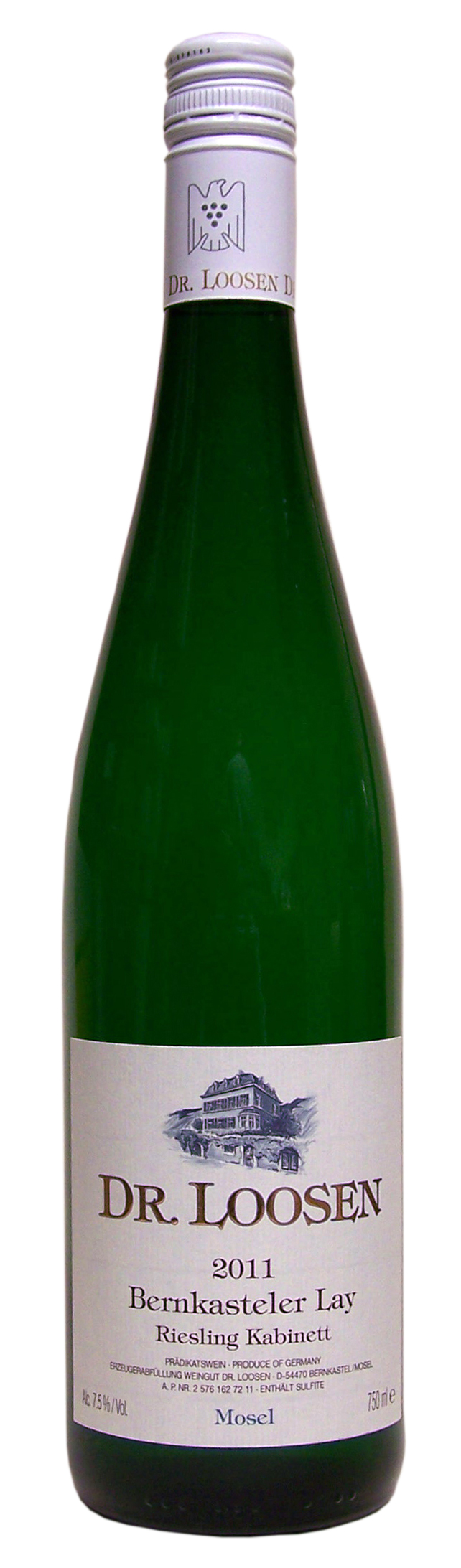
Bernkasteler Lay Riesling Kabinett 2011 (Dr Loosen) $33–$36 Lay vineyard, Bernkastel, Mosel River, Germany
Ernie Loosen’s house and office, a stroll downstream from Bernkastel, sit just below the Lay vineyard. Loosen owns part of the vineyard and wines he makes from it carry the village, vineyard and grape varietal names. We bought the wine at Vintage Cellars, Adelaide markets, to accompany the outstanding food of Star of Siam, in Gouger Street. It’s a medium sweet wine of dazzling freshness, with the lightness, intense flavour, delicacy, high acid and rich texture typical of the vineyard. Australian versions of this style face an uphill battle in our warm climate. And few, if any, can match the class of this German original, from one of the great producers of the Mosel River.
John Duval Plexus 2012 $25–$30 Barossa Valley, South Australia
A warm area like the Barossa floor is seldom going to make riesling to match the quality of those from the high, cooler Eden Valley in the hills to the Barossa’s east. If any white styles are to match the region’s reds in quality in future, I’d put my money where John Duval does with Plexus. He uses the Rhone valley varieties, marsanne (55 per cent), roussanne (35 per cent) and viognier (10 per cent), sourced, respectively from Marananga and Seppeltsfield, Kalimna and the Eden Valley. A combination of fermentation regimes, including both tank and barrel, created a full, fresh, richly textured dry white with a distinctive flavour, reminiscent of that sweet-tart area between the flesh and rind of rockmelon. It’s delightful, different and in 2012, particularly rich and sweet fruited.
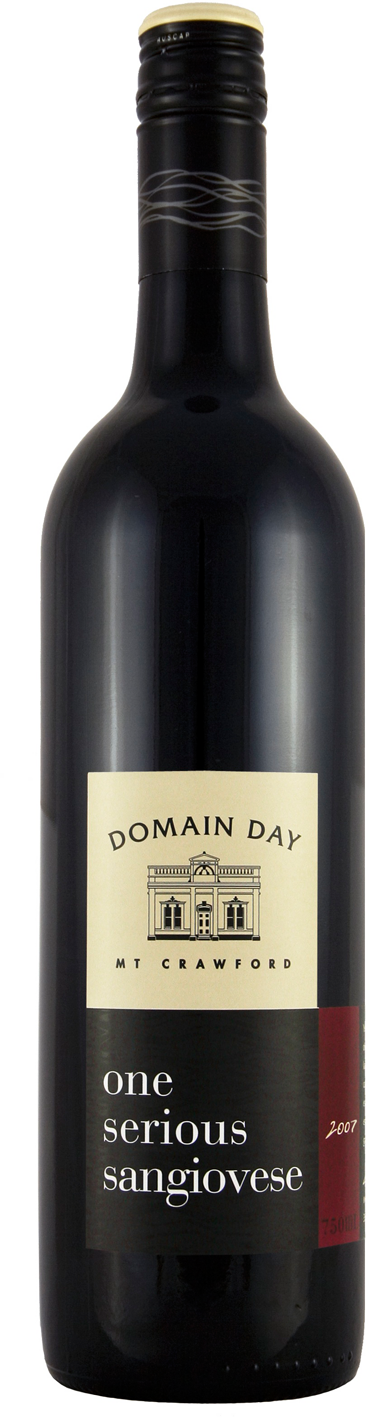
Domain Day One Serious Sangiovese 2009 $30 Domain Day vineyard, Mount Crawford, Barossa Valley, South Australia
One of Tuscany’s great sangioveses, Brunello di Montelcino, inspired Robin Day to plant the variety at Mount Crawford, a comparatively cool site at 450 metres, on the border of the Barossa and Eden Valleys. Day’s is an earthy, savoury expression of the variety – the savouriness wrestling with its core of ripe, sweet and sour cherry flavour. In the 2009 vintage, the savouriness and earthiness seem even more pronounced than usual, setting the wine apart from tamer beasts like shiraz, cabernet and pint noir.
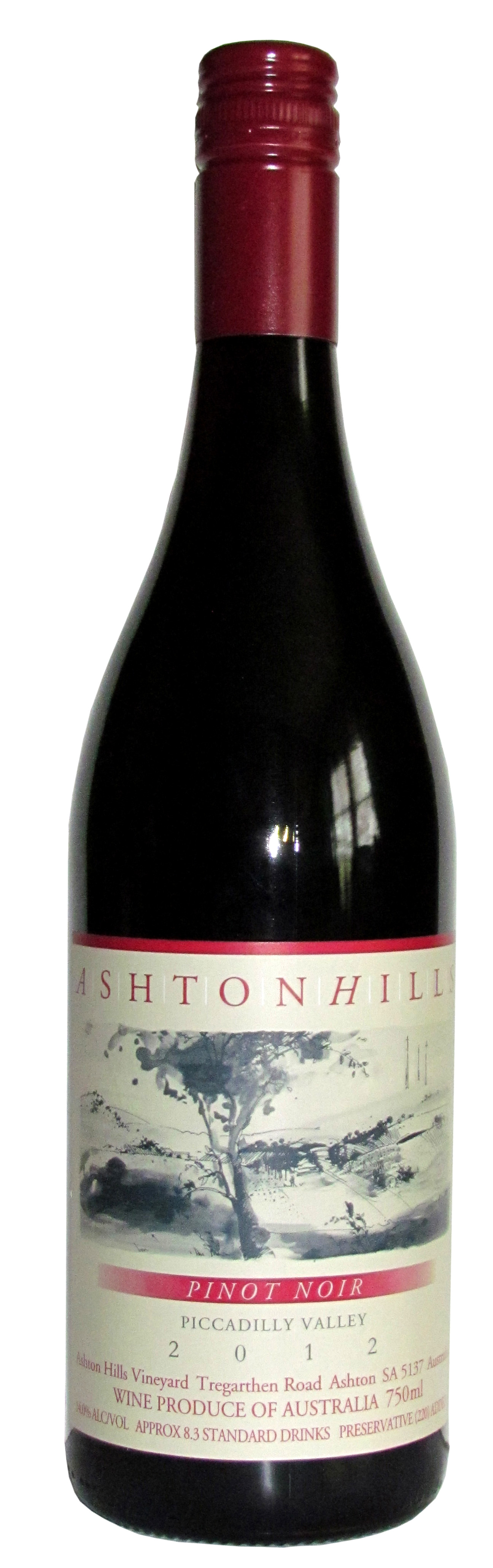
Ashton Hills Piccadilly Valley Pinot Noir 2012 $30 Piccadilly Valley, Adelaide Hills, South Australia
In a good season, Stephen George makes three pinot noirs – estate and reserve from his own vineyards, and a lighter, fruitier style under the Piccadilly Valley label. In 2012, he sourced the latter 70 per cent from his own vineyards with the remainder coming from a nearby Piccadilly Valley neighbour. In such a good season, however, “lighter and fruitier” takes on a new meaning, as this is far richer and more concentrated than usual ¬¬– though nothing compared to the reserve version reviewed last week. This is way above average pinot, offering really satisfying drinking.
Redbank The Long Paddock Shiraz 2012 $9.50–$13
Victoria
Redbank won’t let us in on the regional sourcing secrets. But there’s no doubting, even at the price, that it includes pretty good material. Its fragrant, ripe and supple, with medium body and spicy, peppery notes derived from cool climate components of the wine. The winemakers added sangiovese to the blend (six per cent of the total) – injecting savour and grip to the otherwise soft tannins. Redbank is a Victorian based brand belonging to the Hill-Smith family’s Yalumba group.
Copyright Chris Shanahan 2013
First published 4 September 2013 in the Canberra Times and goodfood.com.au